Source Commercial Oxygen Facial Machine for Salon, Spa, Clinic
Explore 30 verified listings for the commercial oxygen facial machine designed for salon, spa, and clinic use. Buyers can compare models like HV-01 and YC-BQ02, reviewing features such as RF, ultrasonic, and multi-functional treatments alongside pricing and customization options; compare the available evidence and request quotations based on your requirements.
Key considerations
Products List


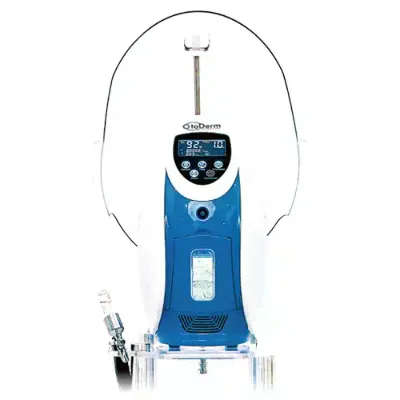


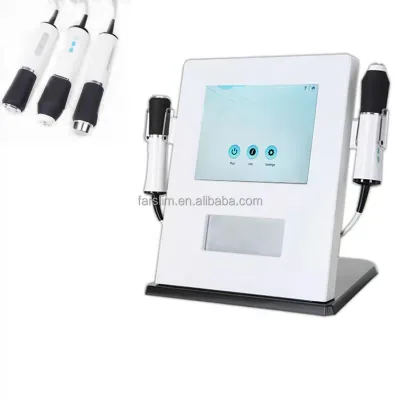
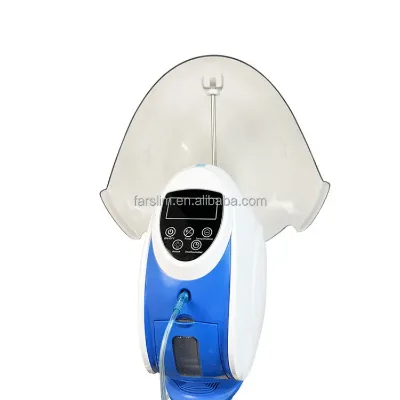
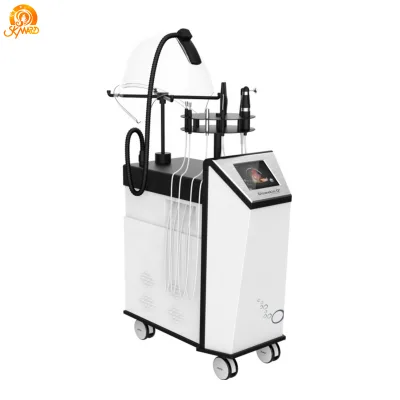


Comprehensive Sourcing Guide
Commercial Oxygen Facial Machine Sourcing Guide
Procurement professionals must first distinguish between units designed for high-volume salon environments and those intended for home use, as the supplied data indicates a clear split in application targeting. Some listings explicitly define the product as a "Multi-Functional Beauty Equipment" suitable for commercial settings, while others note suitability for both salon and home applications, requiring careful verification of durability ratings. Buyers should prioritize models with robust construction materials like ABS or plastic composites that can withstand the rigorous daily cycles of a professional clinic rather than intermittent residential use.
The observed product range reveals significant variation in functional capabilities, with some units offering specialized handles for RF, ultrasonic, and CO2 oxygen delivery, while others focus on diamond microdermabrasion combined with hydro-therapy. This diversity necessitates a clear definition of the specific treatment protocols required by the business, such as skin tightening, whitening, or deep cleaning, before engaging with suppliers. Sourcing decisions should be driven by the specific combination of technologies listed, ensuring the selected machine aligns with the intended treatment areas like the face, eyes, neck, and nose.
Product Scope and Observed Listing Signals
Buyers must carefully evaluate the physical dimensions and packaging specifications provided in listings, as these directly impact logistics and floor space requirements in a commercial setting. The data shows a wide range of package sizes, from compact units measuring approximately 42x47x54 cm to larger configurations reaching 58x50x25 cm, with weights varying significantly from 15 kg to over 23 kg. Understanding these physical constraints is essential for planning installation, as some units require flight cases or full foam aluminum boxes for protection during transit and storage.
The functional scope of these machines extends beyond basic oxygen delivery to include complex multi-function systems that integrate vacuum, RF, and ultrasonic technologies. Listings indicate that advanced models may feature seven distinct handles or specialized software languages to facilitate operation, which suggests a higher level of complexity for staff training. Procurement teams should verify that the advertised treatment areas, such as the body or specific facial zones, match the actual hardware capabilities to avoid purchasing under-equipped units that fail to meet service menu requirements.
Technical Specifications to Verify
Technical due diligence requires a rigorous check of the specific model numbers and technology stacks listed, as the market contains distinct variants like the HV-01, YC-BQ02, and HP-02 with different performance profiles. Buyers should confirm that the listed technology, whether it is vacuum-based, RF-enhanced, or a combination of diamond microdermabrasion and hydro-oxygen, matches the clinical outcomes desired for their specific client base. Relying on generic descriptions without verifying the exact model-specific capabilities can lead to mismatches between expected and actual treatment results.
Verification of electrical and operational specifications is equally critical, particularly regarding plug types and software interfaces which vary by region and user preference. The available data indicates support for multiple plug standards including CN, JP, US, EU, and AU, alongside English software language options, which must align with the local infrastructure of the purchasing facility. Additionally, the waterproof rating of the unit should be confirmed, as some listings explicitly state a "No" waterproof status, which dictates the cleaning protocols and maintenance schedules required to ensure hygiene and equipment longevity.
Compliance and Safety Documentation
Regulatory compliance is a non-negotiable aspect of sourcing medical-grade beauty equipment, and buyers must demand proof of certifications such as CE and ISO 13485 before finalizing any transaction. The presence of these certifications in listings suggests adherence to international safety and quality management standards, but procurement teams must verify the validity of these documents through the issuing bodies rather than relying solely on supplier claims. Ensuring that the specific model purchased holds current certification is vital for legal operation in commercial salons and for maintaining insurance coverage.
Beyond general certifications, the warranty terms and after-sales service provisions provided by the supplier must be clearly defined in the contract to mitigate operational risks. The observed data includes a standard one-year warranty and mentions of ODM/OEM service capabilities, which indicates a potential for customized support but requires explicit confirmation of service scope and response times. Buyers should clarify whether the after-sales service includes on-site repairs, remote troubleshooting, or spare part availability, as these factors directly influence the total cost of ownership and downtime risks.
Cost Drivers and Commercial Terms
The pricing landscape for commercial oxygen facial machines is highly variable, with observed ranges spanning from 60 to 4858 USD, reflecting differences in technology complexity, build quality, and included accessories. This wide disparity suggests that cost should not be the sole determinant of selection; instead, buyers must analyze the value proposition of each unit based on its specific features, such as the number of handles or the sophistication of its treatment algorithms. Understanding the cost drivers helps in budgeting for the total acquisition, including potential hidden costs like specialized consumables or extended warranty upgrades.
Commercial terms regarding minimum order quantities and shipping logistics also play a pivotal role in the final procurement decision, as the data indicates a standard MOQ of one unit for many listings. While the low entry barrier allows for flexible purchasing, buyers must consider the lead times and shipping methods associated with different package types, such as flight cases versus standard cartons. Negotiating favorable terms for single-item purchases or bulk orders can significantly impact the overall budget, especially when factoring in the weight and dimensions of the units for freight calculation.
Supplier Qualification and Quality Control
Supplier qualification should focus on verifying the place of origin and the manufacturing capabilities of the vendor, with the majority of observed listings originating from Guangdong, China. Buyers must assess the supplier's ability to provide consistent quality control, particularly given the variation in materials like plastic and ABS used across different models. Establishing a relationship with a supplier that offers ODM and OEM services can provide additional assurance of quality, as it implies a capacity for customization and adherence to specific production standards.
Quality control protocols must extend to the physical inspection of the product upon arrival, focusing on the integrity of the packaging and the functionality of the handles and software. The data highlights diverse packing methods, from simple cartons to full foam aluminum boxes, which serve as indicators of the supplier's attention to detail during transit. Procurement teams should implement a rigorous acceptance testing procedure to verify that the unit operates correctly, that all handles are functional, and that the software language and plug types match the order specifications before signing off on delivery.
Long-Term Procurement Checks
Sustainable procurement requires a long-term strategy that includes regular maintenance checks and the availability of replacement parts to ensure the equipment remains operational for years. Buyers should inquire about the lifecycle of the machine, specifically regarding the durability of the handles and the software update capabilities, as technology in this sector evolves rapidly. Establishing a maintenance schedule based on the manufacturer's recommendations will help prevent premature failure and ensure that the machine continues to deliver the promised skin tightening and rejuvenation results.
Finally, the procurement process should include a review of the supplier's track record for after-sales support and their ability to adapt to future business needs. The availability of service options like ODM and OEM suggests that suppliers may be able to modify units or provide new features as the business expands its service menu. Regular communication with the supplier to discuss performance data and any emerging issues will foster a partnership that supports the long-term success of the commercial beauty operation.
FAQs
What certifications do commercial oxygen facial machines have?
These machines typically hold CE and ISO 13485 certifications for safety and quality. Some models also include RoHS compliance. Buyers should verify specific documentation for each unit to ensure regulatory adherence in their target markets before finalizing procurement decisions.
Can commercial oxygen facial machines be customized for salons?
Yes, customization is available for many commercial units. Suppliers often offer OEM and ODM services to tailor features like handles, software language, or packaging. This allows businesses to align the equipment with their specific brand identity and operational requirements effectively.
What are the standard dimensions for these beauty devices?
Standard dimensions vary by model, often ranging around 58x50x25 cm or 51x40x62 cm. Packaging may include cartons or flight cases. Buyers should check the single package size and gross weight, which can be approximately 23 kg, for logistics planning.
Which treatment areas do these machines support?
Most units treat the face, eyes, neck, and nose. Some advanced models also address body areas. Features like RF, ultrasonic, and oxygen handles enable skin tightening, whitening, and rejuvenation across these targeted zones for comprehensive beauty treatments in professional settings.
What warranty and after-sales services are provided?
A one-year warranty is commonly provided for these commercial devices. After-sales service options may include other support types depending on the supplier. Buyers should confirm the specific service terms and available plug types, such as US, EU, or UK, for their region.
How many handles do multi-functional machines typically include?
Multi-functional units often include seven handles for various treatments. These may cover RF, ultrasonic, and CO2 oxygen therapies. The specific handle configuration depends on the model, such as the ksy97 Aria or A0648, allowing for diverse skin care applications in salons.